This paper describes the effects of groundings on coral reefs and provides guidance on response strategies to reduce the severity of damage, survey techniques and restoration measures.
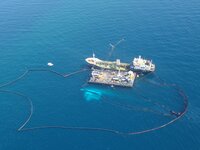
At approximately 02:30h on 10th September 2017, the chemical/product tanker AGIA ZONI II sank close to Atalanti Island, in the Piraeus anchorage area. The vessel reportedly had 2,194 metric tons of
As of 1st January 2013, amendments to MARPOL Annex V mean that shippers have new responsibilities regarding cargo classification and how it affects the ability of the crew to discharge hold wash
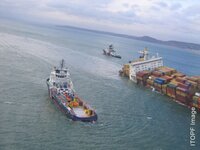
On Thursday 18th January 2007, the container vessel MSC NAPOLI (4,668 TEU, 53,409 GT, built 1991) suffered structural damage while transiting the English Channel in heavy weather. The decision was
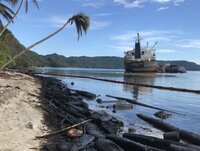
On 4th February 2019, cargo vessel SOLOMON TRADER (38,779 GT) ran aground during poor weather in Kangava Bay, Rennell Island, Solomon Islands. The vessel was reportedly carrying 10,850 MT of bauxite
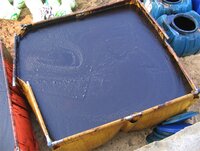
Experience has shown that the most time-consuming and costly component of a response to an oil spill is often the treatment or disposal of collected waste. The amount of waste generated is dependent
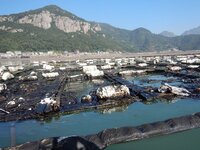
This paper introduces the types of environmental damage claims typically presented following a substantial oil spill in China, and the basis for these damage claims. By discussing how these claims
First produced in 1997, the ITOPF Handbook contains a wealth of valuable information and guidance for those likely to be involved in spills of oil, chemicals and other cargo from ships.
The aim of this paper is to highlight the common challenges that have arisen following serious containership incidents, focusing largely on the MSC CHITRA incident response in India, in order to
Following the sinking of the tanker PRESTIGE in the Atlantic Ocean in 2002, a consortium headed by the Spanish oil company, REPSOL, designed and implemented a system for the removal of 13,000 tonnes