ITOPF promotes effective response to marine spills of oil, chemicals and other hazardous substances by providing five core services. These are usually provided at no cost to our Members,
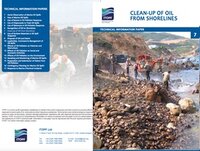
This paper describes commonly used shoreline clean-up techniques and provides advice on which are best suited to each stage of operations for a range of different shoreline types.
Whilst large oil spills arising from shipping accidents often make dramatic news, most oil spills are small and originate in or near ports. ITOPF oil spill statistics for tankers, for instance,
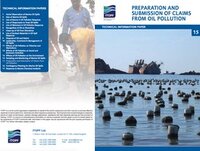
This paper provides guidance on the information to be recorded and the documentation or other evidence required to support a claim. The process by which a claim should be compiled and submitted is
The decarbonisation of shipping has become an increasingly prominent topic, and this is due to growing regulatory pressure, a changing climate of public opinion and investors demanding a faster
Fishing and aquaculture harvesting bans are increasingly used as an oil spill management tool, with the intention of protecting public health and consumer markets. Such bans are easily imposed, but a
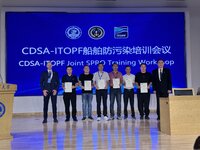
ITOPF joined the CDSA and its members at the Dalian Maritime University, China where the two organisations came together to deliver a training workshop on effective pollution response and cost
BAUPRE, 2020 winner A one-year project into the measurement and effects of toxic substances on deep-sea ecosystemsThe winner of the 9th annual ITOPF R&D Award is BAUPRE (Biological Assessment
PLASTOIL, 2023 winner The beneficiary of the 2023 ITOPF Research and Development (R&D) award is the PLASTOIL project, with funding granted to the Centre for Documentation, Research and
ITOPF welcomes Ms Pauline Marchand joining us as Senior Claims Coordinator to work with Tim Wadsworth and our technical team to coordinate the claims process across ITOPF.