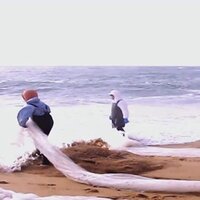
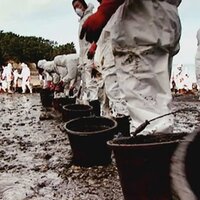
An oil spill is never good news but it’s on the occasions when it reaches the coast that it has potentially the greatest environmental and economic impact. Here we look at shoreline clean-up. The
The Office of Disaster Preparedness National Emergency Management Agency (NEMA) Government Headquarters Church Street, PO Box 186 Basseterre, St Kitts Tel: +1 869 466 5100 / 6892 Fax: +1 869 466
In this programme we’ll be looking at how we can most effectively manage oily waste from the moment it’s collected until its final treatment or disposal. Waste management is often a major operation
United States Coast Guard Marine Safety Office Guam Guam Tel: +671-3396100 (24hr) or +671 3392001 Fax: +671 3392005 Additionally, a spiller must notify the US National Response Centre: National
Regional Maritime Rescue Coordination Centre (RMRCC) Tel: +254 412131100 (24hrs) /+254 737719414 VHF 12 Director General, Kenya Maritime Authority PO Box 95076 Mombasa, Kenya Tel: +254 202381204 /
We look at the environmental impacts of oils spills from the immediate effects on eco-systems and habitats to prospects for long term recovery. While an incident remains in the public eye, images of
United States Coast Guard Marine Safety Detachment PO Box 249, Pago Pago 96799 Tel: +684-633 2299 or +684-733 1223 (24hr) Details as above. In the event of an incident, one of the following three
Department of Transportation, Communication & Infrastructure PO Box PS2 Palikir Pohnpei Tel: 691 320 2865 Fax: 691 320 5853 transfm@mail.fm Alternatively, spills can be notified to: Pohnpei