Inspeccao Maritima Direccao Geral de Marinha e Portos Porto Grande San Vincent Tel: +238-314342 Fax: +238-316519 Details as above. The competent authority in the Republic of Cape Verde for maritime
ITOPF has responded to more than 860 incidents involving oil or chemical spills worldwide. Our highly skilled international team are ready to assist 24 hours a day, 365 days a year to provide
Maritime Administration & Safety Authority (SAFMAR) Ave. Marqués do Pombal, 297 PO Box 4317 Maputo Tel: +258 1 301963/420552 Fax: +258 1 424007 Contact may be made to the nearest port
Our international Board members provide a balanced representation of our ship-owning Membership and their insurers, ensuring we have the correct strategic direction. About half of our Directors
Establishment ITOPF was established in 1968 in the wake of the TORREY CANYON oil spill. Its original function was the administration of an oil spill compensation scheme. The TORREY CANYON was
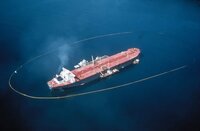
EXXON VALDEZ grounded on Bligh Reef in Prince William Sound, Alaska, on 24th March 1989. About 37,000 tonnes of Alaska North Slope crude escaped into the Sound and spread widely.