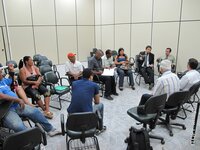
Phil Ruck is participating in a workshop for the Philippines Coast Guard (PGC) organised under the auspices of the GI SEA (Global Initiative for South East Asia) programme.
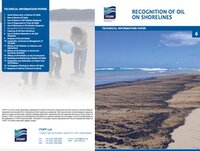
In cases of large spills, the source of stranded oil may be obvious, but the question of identification frequently arises when a small amount of oil is involved and compensation is sought for damage
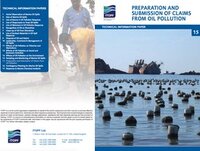
This paper provides guidance on the information to be recorded and the documentation or other evidence required to support a claim. The process by which a claim should be compiled and submitted is
This paper looks at the history and evolution of the international law regarding ship-source pollution liability and compensation, established and strengthened over the last 50 years into what is
First produced in 1997, the ITOPF Handbook contains a wealth of valuable information and guidance for those likely to be involved in spills of oil, chemicals and other cargo from ships.
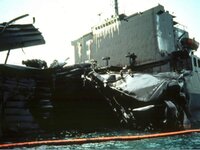
The oil spills from the tanker EVOIKOS off Singapore and the barge PONTOON 300 in the United Arab Emirates (UAE) were major incidents which severely tested response arrangements in the two countries.
This paper examines the differences between the approaches to environmental damage compensation under the US 1990 Oil Spill Pollution Act and the international regime.