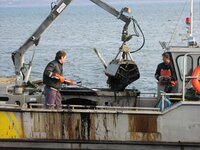
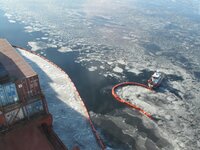
The ultimate aim of any oil recovery operation at sea is to collect as much floating oil as is reasonably and economically possible. However, a review of past spills shows that rarely is more than
Khalish joined ITOPF as a Technical Adviser in August 2024. She holds a BSc and MSc in biology with a minor in environmental studies. Previous experience Before joining ITOPF, Khalish spent more
The Country & Territory Profiles provide a summary of spill response arrangements and resources in maritime nations. They were originally developed in 1993 to help shipowners produce the
The paper begins by examining the incidence of major marine oil spills from tankers and other types of ships before describing the potential for controlling the resulting pollution.
This paper uses information from ITOPF attended incidents to look at trends in conducting post-spill studies, and offer a number of possible reasons for these trends; including a general heightened
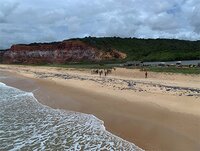
ITOPF receives letter of appreciation from the Commander of the Brazilian Navy for its support during the oil spill that contaminated shorelines in north-east Brazil last year.