The main at-sea response options for the Arctic are containment and recovery, chemical dispersion, and in-situ burning. Containment & Recovery of Oil in Ice Mechanical recovery of oil in ice
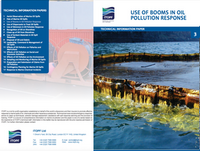
This paper describes the principles of boom design and the two main modes of operation, namely towing by vessels at sea and mooring in shallow or inshore waters.
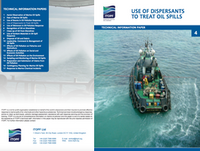
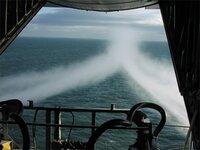
This paper provides an overview of the use and limitations of dispersants on floating oil, as one of a range of options available for response to ship-source marine oil spills.
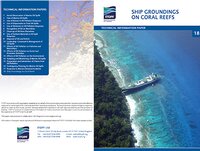
This paper describes the effects of groundings on coral reefs and provides guidance on response strategies to reduce the severity of damage, survey techniques and restoration measures.
The subject of oil spill dispersants has attracted greater attention in recent years as more countries have sought to develop legislation permitting their use. Claims about the improved effectiveness
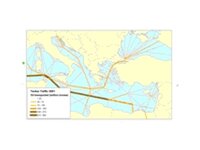
The East Mediterranean is an area of high oil traffic because it is an important transit centre between Middle Eastern/Russian oil and the western European countries/USA. Recent traffic developments
Junta Autonoma dos Portos da Guinea-Bissau PO Box 382 Bissau Tel: +245-2797 A competent authority does not appear to have been designated. No response organisation exists and there are no local or
Spills should be reported to the appropriate port authority: Sudan Sea Ports Corporation PO Box 2534 Khartoum Tel: +249 311 79343 or +249 311 79114 Sudan Sea Ports Corporation PO Box 531 Port