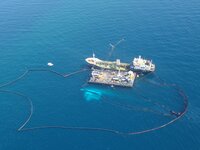
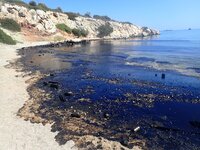
At approximately 02:30h on 10th September 2017, the chemical/product tanker AGIA ZONI II sank close to Atalanti Island, in the Piraeus anchorage area. The vessel reportedly had 2,194 metric tons of
This paper looks at the history and evolution of the international law regarding ship-source pollution liability and compensation, established and strengthened over the last 50 years into what is
This presentation will explore some trends from these recent incidents and focus on a few key case studies (including the LADY TUNA incident in Turkey and AGIA ZONI II in Greece) to consider the main
First produced in 1997, the ITOPF Handbook contains a wealth of valuable information and guidance for those likely to be involved in spills of oil, chemicals and other cargo from ships.
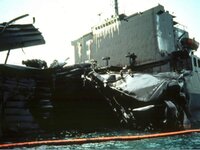
The oil spills from the tanker EVOIKOS off Singapore and the barge PONTOON 300 in the United Arab Emirates (UAE) were major incidents which severely tested response arrangements in the two countries.
This paper examines the differences between the approaches to environmental damage compensation under the US 1990 Oil Spill Pollution Act and the international regime.
Compensation for clean up costs and damages caused by oil spills from tankers is governed in many maritime nations by two International Conventions, the Civil Liability Convention (CLC) and the
The prompt settlement of claims for compensation following oil spills from tankers is in everyone's interests, especially those who have incurred clean-up costs, had their property contaminated or
The concept of persistence in relation to oil spills probably originated after the Torrey Canyon incident in 1967. This is when discussions first arose regarding various new measures to protect the
An oil spill can cause financial loss for a variety of organisations and individuals. We’ll look at some examples of the economic impacts of oil spills on businesses and livelihoods and finding out