Experience has shown that the most time-consuming and costly component of a response to an oil spill is often the treatment or disposal of collected waste. The amount of waste generated is dependent
Tim Wadsworth has degrees in engineering and in law. He joined ITOPF in 1991 and has been involved subsequently in many spills internationally, assisting primarily in the assessment of claims
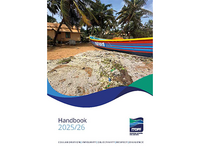
ITOPF has just published its annual Handbook for 2025/26. This contains a wealth of valuable information and guidance for those likely to be involved in spills of oil, chemicals or other cargo from
Those affected by ship-source pollution incidents can make claims against economic losses they have experienced, and the submitting, processing, and handling of these claims is a vital step in
Solis Marine, Hill Dickinson LLP and MARITIME LONDON held their ‘Future Fuels’ event in London as the seminar explored the emerging fuel technologies in the maritime industry with Andrew Le Masurier
Oil spills from shipping accidents and offshore blowouts are rare, but when they happen the impact on the environment, on livelihoods and on the local economy can be severe. In this series of
ITOPF promotes effective response to marine spills of oil, chemicals and other hazardous substances. We are funded by the world's shipowners and their insurers and operate on a not-for-profit
Explore a variety of topics about marine spills, response and compensation matters in the pages below. Each topic and area of interest provides access to more detailed documentation that is
Chemical spills occur at a much lower frequency than spills of oil. However, the consequence of a chemical spill can be more wide reaching than that of oil and there is growing international