… the competent authority responsible for marine pollution by HNS in Malta. Other entities that may be involved include the CPD, Armed Forces of Malta and MEPA. Response to marine HNS incidents is covered in its…
… from acts of war. The data held includes the location and cause of the incident, the vessel involved, the type of oil spilled and the spill amount. Spills are categorised by size, <7 tonnes or…
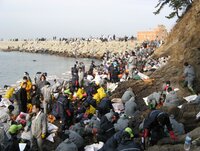
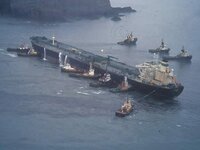
On 7th December 2007, the VLCC HEBEI SPIRIT (146,848GT, built 1993), laden with 209,000 tonnes of four different Middle Eastern crude oils, was struck by a crane barge whilst at anchor off Taean,
Using case studies of oil spills ITOPF has attended in Asia, Europe and South America, this paper will discuss these key considerations in turn, and describe, through the case studies, how they were
The oil tanker SEA EMPRESS, carrying 130,000 tonnes of Forties Blend North Sea crude oil, ran aground in the entrance to Milford Haven, South West Wales on the evening of 15th February 1996
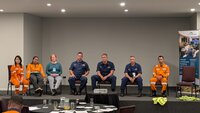
To bolster response readiness in the Pacific, the Pacific Symposium co-hosted by the The Maritime Safety Authority of Fiji-(MSAF), the UK Government’s Ocean Country Partnership Programme (OCPP), and
… country. When not attending spills on site, he is coordinator of the ITOPF R&D Award, has been involved in the revision of national contingency plans for several African countries, participated in…
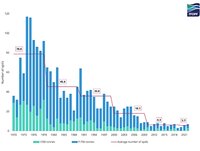
Data from ITOPF shows that seven oil spills of more than seven tonnes were recorded from tanker incidents in 2022. This brings the decade average to almost six, which is on a par with the 2010s and a
… coastline is also underway. The Tanzania Petroleum Development Corporation (TDPC) is closely involved in the design of oil spill contingency plans for all installations in the country. BP Tanzania has…
… dissipated naturally in storms shortly after the incident occurred. The ADMIRAL KUZNETZOV (2009) was involved in a spill of approximately 300 tonnes of oil 50 mile south of Fastnet Rock, Ireland's most…