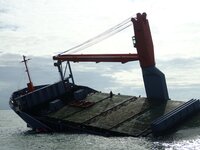
The general cargo carrier FU PING YUAN was anchored at the Pukjangjaseo anchorage off Incheon Port, Republic of Korea, when she was involved in a collision with MV CS CRANE on 15th June 2010. The
On 31st January 2006, the Marshall Islands-registered chemical tanker, ECE was on a laden voyage from Safi, Morocco to Ghent, Belgium with a cargo of 10,361 tonnes of Phosphoric Acid when she
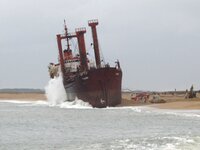
On 16th December 2011, the general cargo ship TK BREMEN dragged anchor whilst in ballast under stormy conditions and sought shelter outside the port of Lorient. The vessel subsequently ran aground
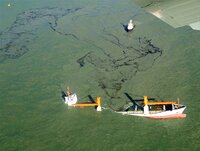
In the early hours of the morning of 6th October, while en route to Bilbao with a cargo of steel plates, the 6,577 GT general cargo ship FLINTERSTAR was involved in a collision with the 136,685 GT
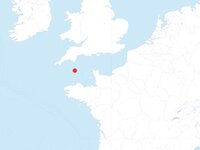
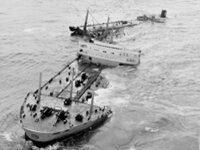
TORREY CANYON ran aground on Pollard Rock on the Seven Stones Reef, near Lands End, Cornwall on 18th March 1967. Thousands of tonnes of oil were soon spilling from the stricken vessel's ruptured
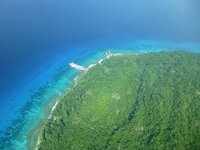
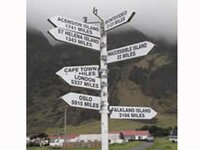
This paper discusses the meaning of “international standards” for oil spill response in the context of remote operations. Practical examples are drawn from remote spills world-wide, including
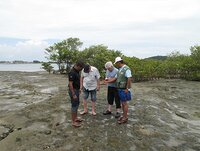
This paper uses information from ITOPF attended incidents to look at trends in conducting post-spill studies, and offer a number of possible reasons for these trends; including a general heightened
Using case studies of oil spills ITOPF has attended in Asia, Europe and South America, this paper will discuss these key considerations in turn, and describe, through the case studies, how they were
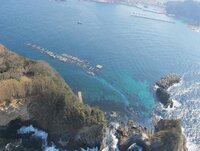
Based on ITOPF’s extensive experience providing advice on pollution mitigation and environmental risks posed by wrecks, this paper examines recent issues in the treatment of wrecks. The authors
Over the years, ITOPF has regularly attended incidents in relatively remote locations with limited response capacities and/or limited contingency planning arrangements in place.