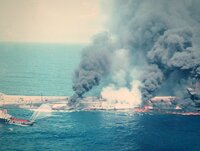
On 19th of July 1979, two fully loaded VLCCs (very large crude carriers), the ATLANTIC EMPRESS and AEGEAN CAPTAIN, were involved in a collision approximately 10 miles off Tobago during a tropical
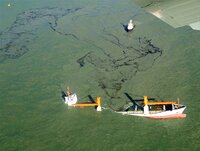
In the early hours of the morning of 6th October, while en route to Bilbao with a cargo of steel plates, the 6,577 GT general cargo ship FLINTERSTAR was involved in a collision with the 136,685 GT
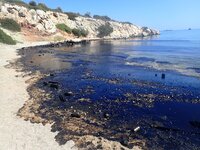
This presentation will explore some trends from these recent incidents and focus on a few key case studies (including the LADY TUNA incident in Turkey and AGIA ZONI II in Greece) to consider the main
In-situ burning is the term given to the process of burning floating oil at sea, at or close to the site of a spill. In order to undertake burning, the oil must be concentrated and an ignition
Following the HNS Convention receiving 12 ratifications from member states and starting its journey to come into force, the International Oil Pollution Compensation Funds (IOPC Funds) held a meeting
CASTILLO DE BELLVER was carrying 252,000 tonnes of light crude oil (Murban and Upper Zakum), when it caught fire about 70 miles north-west of Cape Town, South Africa.
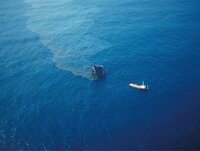
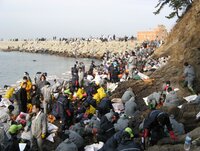
On 7th December 2007, the VLCC HEBEI SPIRIT (146,848GT, built 1993), laden with 209,000 tonnes of four different Middle Eastern crude oils, was struck by a crane barge whilst at anchor off Taean,
Using case studies of oil spills ITOPF has attended in Asia, Europe and South America, this paper will discuss these key considerations in turn, and describe, through the case studies, how they were
The oil tanker SEA EMPRESS, carrying 130,000 tonnes of Forties Blend North Sea crude oil, ran aground in the entrance to Milford Haven, South West Wales on the evening of 15th February 1996